
A product can look superb in a render and fail in production. A wall thickness that cannot be moulded, a joint that cannot be assembled, a geometry that doubles the cost of the tool. Good industrial design is not only how a product looks – it is how it will look after it has been manufactured.
Here the design sits in the same place as the production, so feasibility questions are asked while it is still a sketch rather than after the tool has been ordered. This page explains what the service covers, what the process looks like, and how industrial design differs from graphic design and from engineering.
Reading time: 4 minutes
The short version
- Industrial design bridges how a product looks and feels and whether it can be produced at a sensible cost.
- The team includes industrial designers, architects and engineers – and the production method is taken into account from the sketch onwards.
- The advantage of working with someone who also manufactures: every design decision is weighed against cost, tolerances and lead time as it is made.
- An early physical prototype saves the expensive mistakes – what you find in your hand you do not find on a screen.
- The process runs from the idea through to series production, without moving between suppliers.
What industrial design covers
- Definition and research – who the user is, in what conditions, what has to happen and what is merely nice to have
- Sketches and design directions – several alternatives before committing to one
- Ergonomics – how the product is held, opened, installed and maintained
- 3D modelling – a CAD model you can manufacture from, not only present
- Material and finish selection – to suit the conditions of use, not the look alone
- Design for manufacture – wall thickness, draft angles, joints and tolerances
- Prototype and production – including iterations until the product works
Industrial design, graphic design, engineering – what is the difference
A question that keeps coming up, and fairly – the fields overlap:
| Field | The central question |
|---|---|
| Graphic design | How it looks on a screen or on paper |
| Industrial design | How the product looks, feels and is held – and how it is made |
| Product engineering | Whether it will hold, take the load and keep working over time |
In a real project all three meet. A product that looks superb but breaks has failed. A strong product nobody wants to hold has failed too.
What the process looks like
- A definition meeting – understanding the product, the user, the budget and the timescale
- Design directions – sketches and alternatives to choose from
- Developing the chosen direction – full 3D modelling
- Prototype – the first physical version, to check form, fit and function
- Iterations – fix, make again, check again
- Preparing for production, and producing – adapting the design to the chosen process
Who it suits
- Entrepreneurs and startups who need to turn an idea into something tangible – including for showing investors
- Manufacturers who want to renew an existing product or take cost out of making it
- Instrument and technology companies that need a housing for a product that already works
- Anyone with a file that cannot be manufactured and needs it engineered
Frequently asked questions
I only have an idea. Is that enough to start?
Yes. Many projects start from a sketch on paper or a spoken description. The definition stage exists for exactly that.
Do you manufacture as well, or only design?
Both, and that is the main advantage. Production is here – in 3D printing and in CNC machining – so manufacturing considerations enter the design from the start.
Who owns the design at the end?
That is settled in the agreement up front, and we are ready to sign confidentiality agreements. Information and files are not passed to outside parties.
How long does a design process take?
It varies a great deal with the complexity of the product and the number of iterations. The practical rule: plan for several rounds of review, and do not assume the first will also be the last.
Selected industrial design work
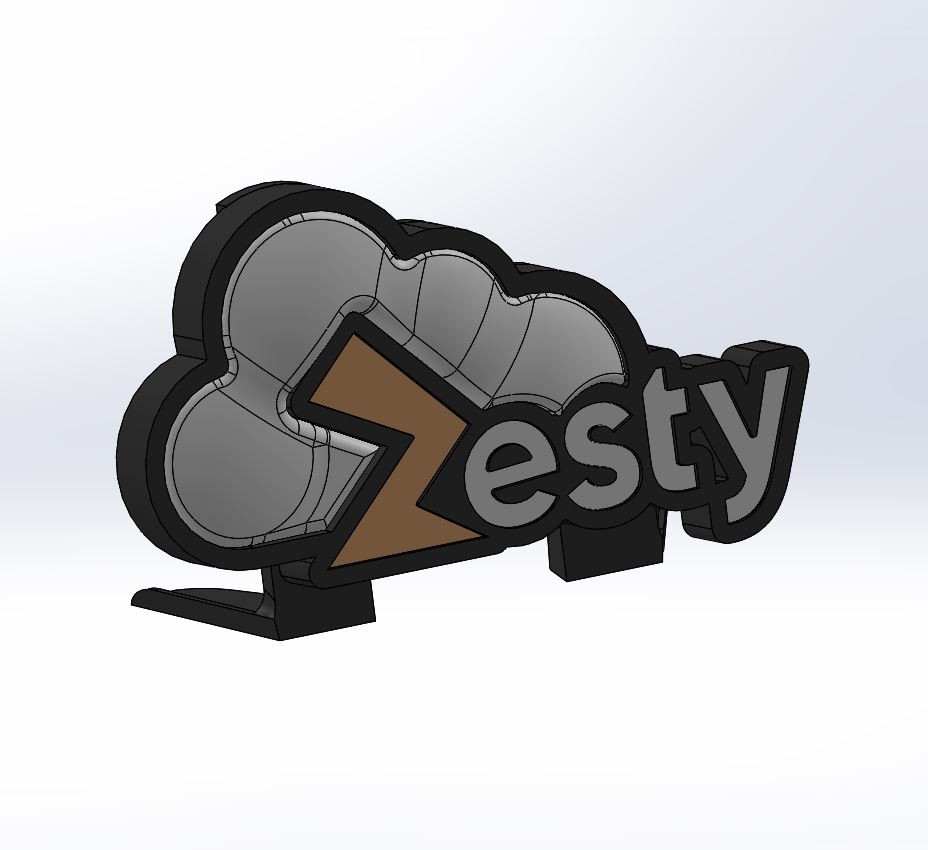
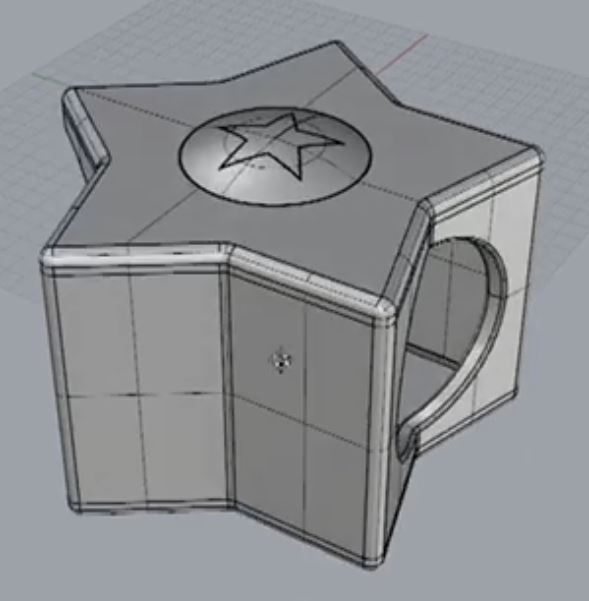
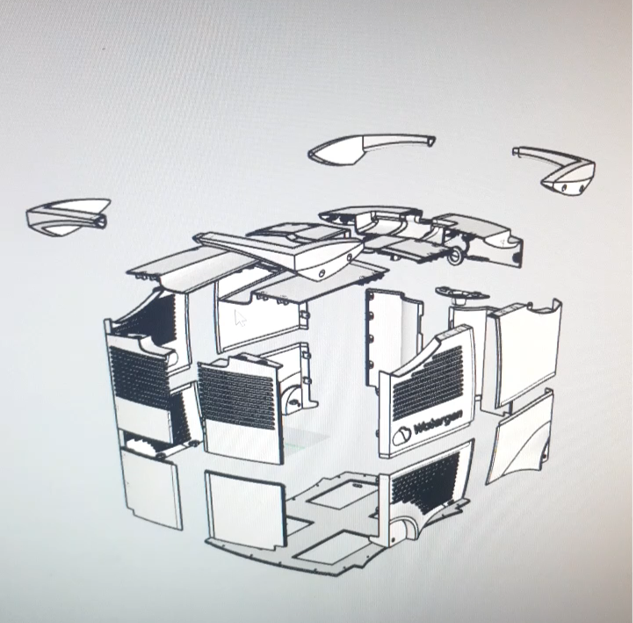
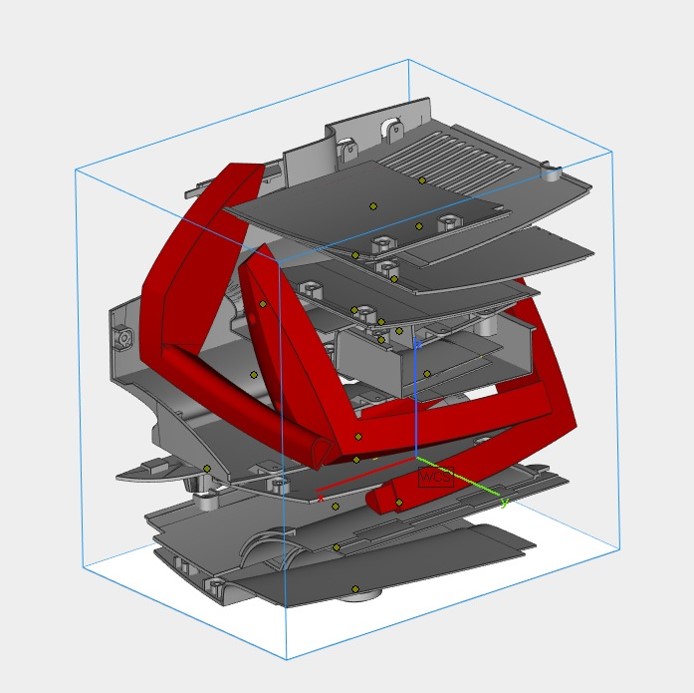
Have an idea, or a product to improve?
Send a sketch, a file or a description – and the team will come back with a proposed approach and a quote.

About the author
The Indus3D industrial design studio brings together industrial designers, architects and engineers, and works alongside a production facility combining industrial 3D printing, CNC machining and 3D scanning. The company is certified to AS9100 and ISO 9001 and is an approved supplier to the Israeli Ministry of Defense.