
A surgeon holding a printed model of the pelvis they will operate on in two days sees things a CT scan on a screen does not show. They can turn it, measure it, plan the cut, and even pre-bend the plate against it. Operating time comes down, and there are fewer surprises in theatre.
That is why 3D printing has become a working tool in medicine – in hospitals, in research and at medical device manufacturers. This page explains what we produce for the medical field, how the route from a CT or MRI scan to a physical model works, and exactly where the regulatory line runs, which is worth knowing up front.
Reading time: 5 minutes
The short version
- We produce anatomical models for surgical planning, medical device prototypes, and jigs and accessories for the laboratory and the operating theatre.
- The whole route is here: from a CT or MRI scan, through processing and tissue segmentation, to an accurate physical model in the surgeon’s hand.
- PEEK is a key material in medical applications thanks to its mechanical and chemical resistance, and we hold it.
- We are certified to ISO 9001 and AS9100. We do not hold ISO 13485, so producing a component that goes into a regulated medical device is done together with a certified partner.
- For research, development, prototypes, anatomical models and accessories there is no such limitation, and the route is short and fast.
Anatomical models for surgical planning
This is the most mature and most common application of 3D printing in medicine. A physical model of the area to be operated on, printed from the patient’s own scan, changes how the operation is prepared for:
- Precise planning of the surgical approach and of the cuts before entering theatre
- Fitting and pre-bending standard plates and implants
- Shorter operating time, and with it shorter time under anaesthetic
- A clear explanation for the patient and the family before informed consent
- Teaching and training registrars on a real case
From CT and MRI to a physical model
- Receiving the scan – the imaging files from the institute or the hospital
- Tissue segmentation – isolating the relevant area from the scan
- Building a 3D model and confirming it with the medical team
- Printing in the technology and material suited to the intended use
- Finishing and delivery – including marking and colouring to distinguish between tissues
What else we produce for the medical field
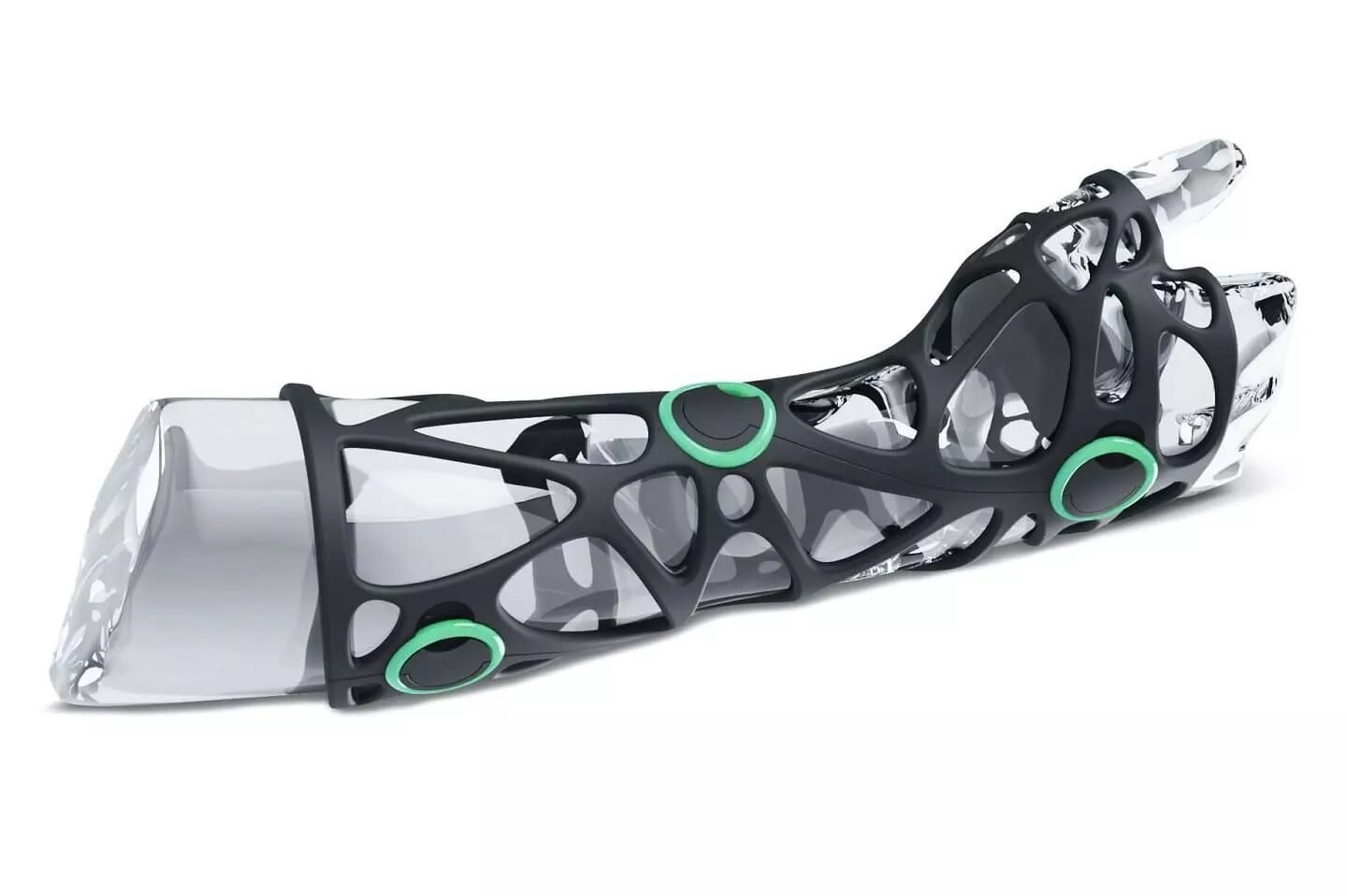
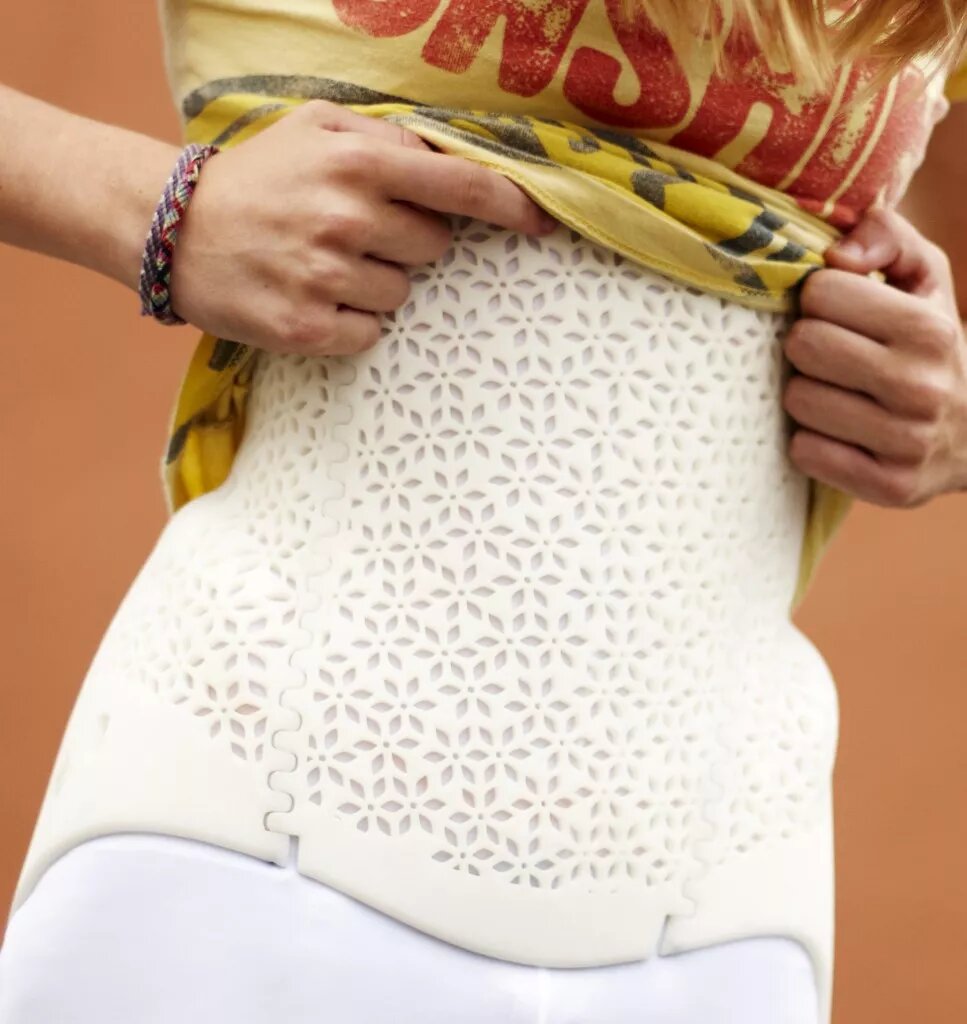
- Medical device prototypes – for device companies and startups in development
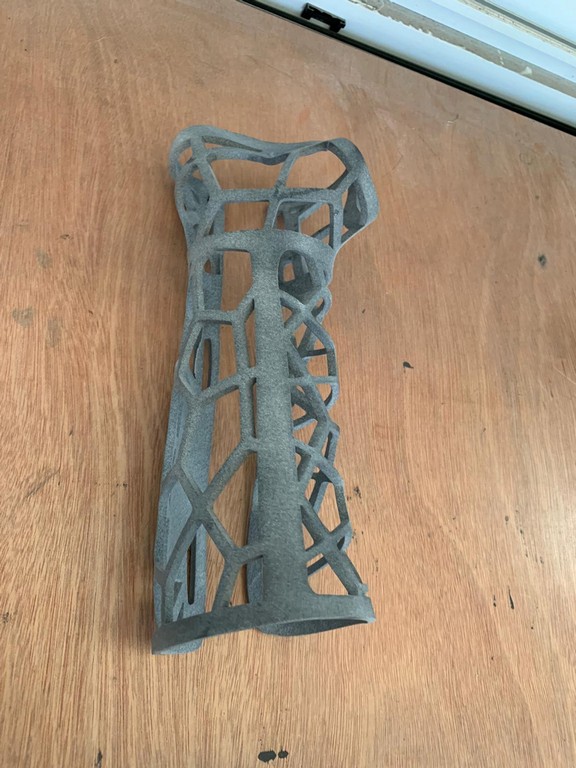
- Jigs and accessories for the laboratory, the operating theatre and production processes
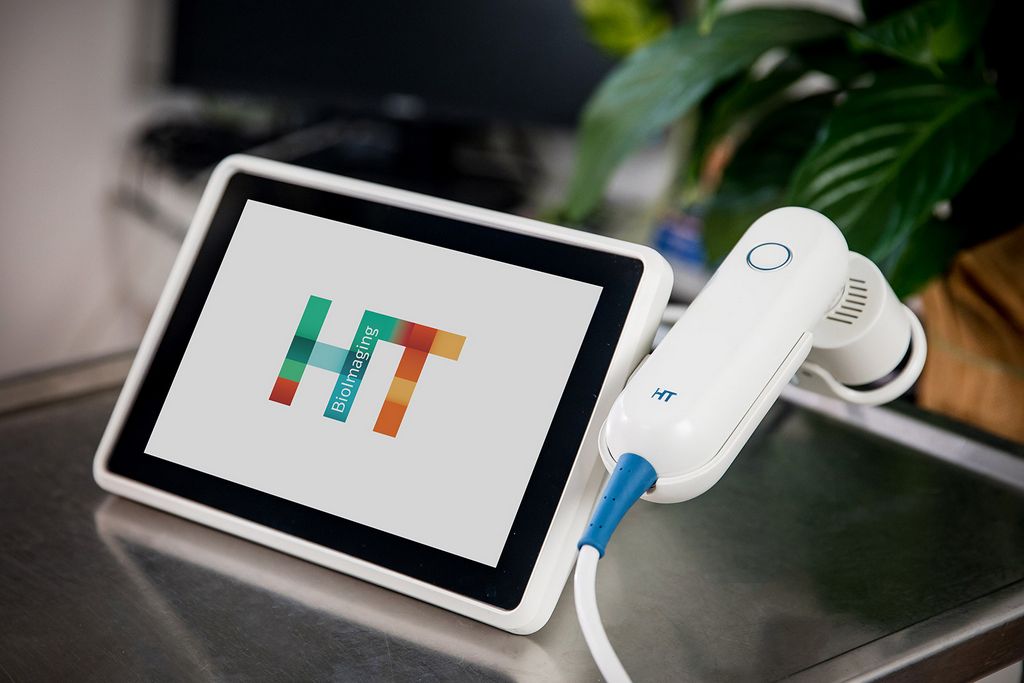
- Housings for medical equipment and for electronic components
- Models for teaching and training for medical schools and conferences
- Models for exhibitions and demonstrations by device companies
- Spare parts for laboratory equipment that has gone out of production – through scanning and reverse engineering
Materials
| Material | Characteristic | Use |
|---|---|---|
| Resin (SLA / DLP) | Exceptionally high resolution and accuracy | Detailed anatomical models |
| Clear resin | Transparency that lets internal structures be seen | Blood vessels, internal bone structures |
| Multi-material PolyJet | Rigid and soft combined in one model | Representing soft tissue against bone |
| PEEK | High mechanical and chemical resistance | Engineering components in a medical application |
| Nylon / PA12 | Strength and durability | Jigs and accessories |
Regulation – what to know up front
In the medical field the regulatory line is the thing most worth making clear in advance, so we state it plainly:
Indus3D is certified to ISO 9001 and AS9100. We do not hold ISO 13485 certification, which is the quality management standard for manufacturing regulated medical devices.
In practice that means:
- With no limitation: anatomical models for planning and training, prototypes, research and development, jigs and accessories, housings, exhibition models.
- Through a certified partner: series production of a component that goes into a regulated medical device. In those cases we work together with a party holding the appropriate certification, and support the process.
We would rather say this at the start than at the procurement stage. If you are not sure which category your project falls into – talk to us and we will work it out together.
Frequently asked questions
Can you print a model from a patient’s CT scan?
Yes. We receive the imaging files, carry out tissue segmentation, build a 3D model and print it. The medical team approves the model before it is printed.
Are you ISO 13485 certified?
No. We are certified to ISO 9001 and AS9100. To produce a component that goes into a regulated medical device we work together with a partner who holds that certification.
Is medical information kept confidential?
Yes. Imaging files and medical information are not passed to outside parties, and we are ready to sign confidentiality agreements.
Can you make a model that represents both soft tissue and bone?
Yes. PolyJet technology allows rigid and soft materials to be combined in a single model, distinguishing between tissue types.
Selected medical projects
Have a scan, a file or an idea?
Send us the material with a description of what you need, and the team will come back with a proposed approach and a quote.
About the author
The Indus3D team runs an industrial 3D printing factory in Kiryat Shmona, Israel, working with customers across medicine, the defence and aerospace industries, architecture, startups and private clients. The team’s experience spans a range of printing technologies including DLP, MJF, SLA, PolyJet, SLS and FDM, along with full support from the file or the idea through to the finished part.